People ask us this more than any other question, and the honest answer is that there is no bad month in northern Tanzania. There are only trade-offs between wildlife, weather, crowds and price.
Below is how the year actually plays out, based on the trips we run rather than on a brochure.
The short answer
If you want the easiest game viewing and reliable weather, come between late June and October. The land dries out, grass gets short, and animals gather around whatever water is left, so they are far easier to find.
If you care more about value, green landscapes and newborn animals, come between January and March. Fewer vehicles, lower rates, and the calving season in the southern Serengeti is one of the best wildlife events in Africa.
June to October: the dry season
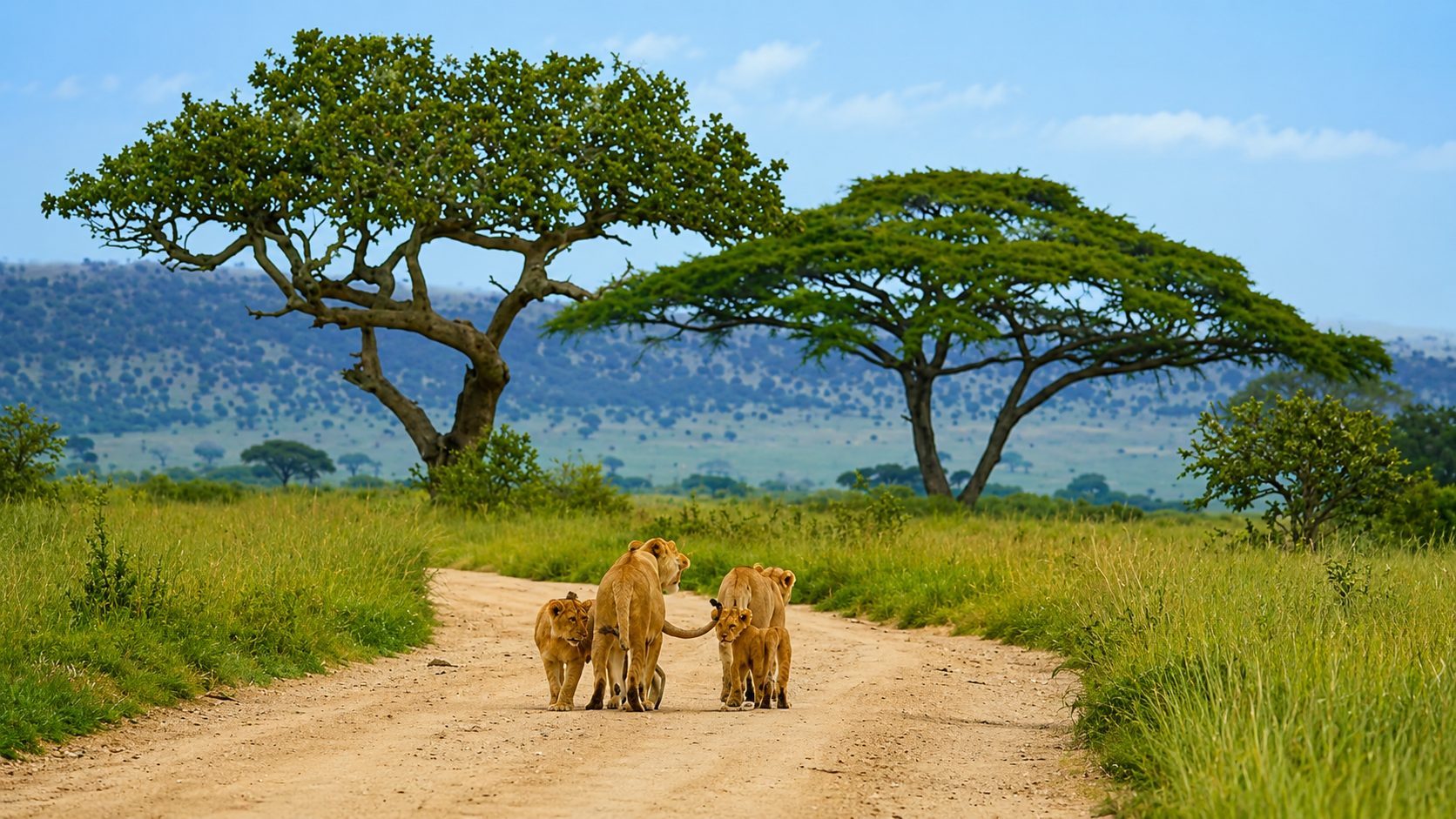
This is peak season for a reason. Skies are clear, the vegetation thins out, and predators are active around the rivers and waterholes. In the northern Serengeti, this is also when the herds pile up along the Mara River.
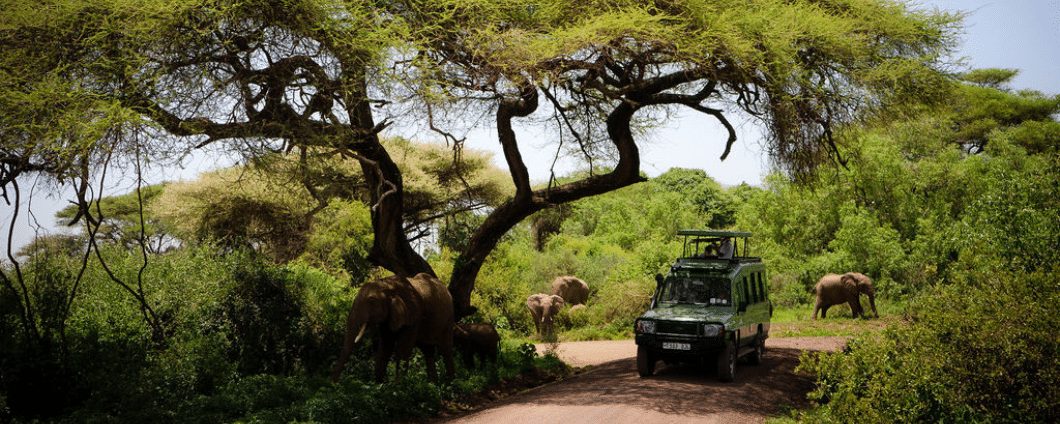
The downsides are real too. Lodges book out six to nine months ahead, prices are at their highest, and the popular crater and central Serengeti circuits get busy in the middle of the day.
- Best for: first safaris, Big Five sightings, river crossings
- Weather: dry, warm days, cold early mornings on the crater rim
- Book: six to nine months ahead for the good camps
January to March: calving season and green plains
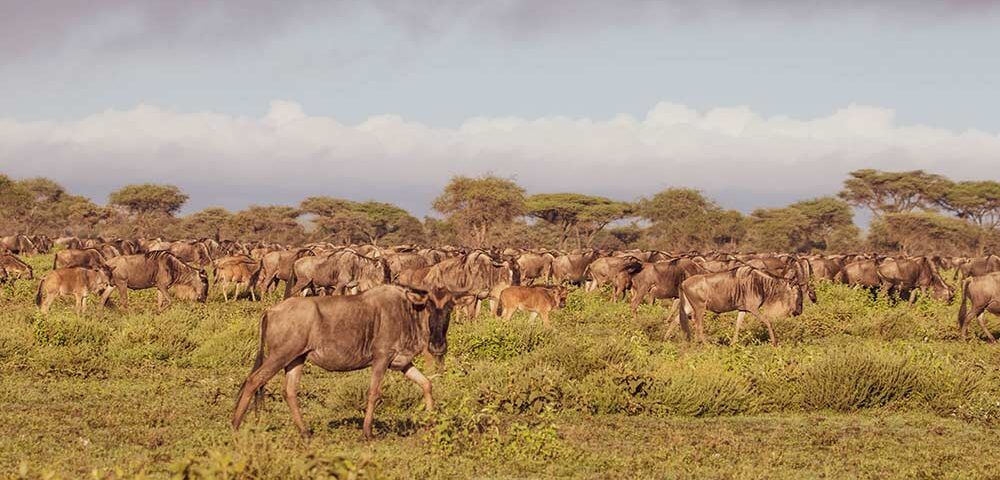
Around half a million wildebeest calves are born in the Ndutu area over a few short weeks, usually late January into February. Predators follow, and the action is concentrated in a small area.
The plains are green, the light is excellent for photography, and there are noticeably fewer vehicles than in August. Short afternoon rains are common but rarely disrupt a game drive.
- Best for: calving, predator action, photography, value
- Weather: warm, green, short afternoon showers
- Note: February is the sweet spot for calving
April and May: the long rains
These are the quietest and cheapest months. Some camps close, roads get muddy, and heavy rain can cost you a morning here and there. In return you get very low rates and parks that feel empty.
We only recommend April and May to travellers who have been on safari before, do not mind rain, and want the lowest possible price.
November and December: the short rains
The short rains arrive in November, usually as brief afternoon storms rather than all-day downpours. The bush greens up, migrant birds arrive, and the parks are pleasantly quiet until the Christmas rush starts around 20 December.
Early December is one of the most underrated windows in the whole year.
Month by month at a glance
| Months | What stands out | Crowds and price |
|---|---|---|
| January to March | Calving in Ndutu, green plains, strong predator action | Moderate, good value |
| April to May | Long rains, some camps closed, very quiet parks | Lowest |
| June to July | Land drying out, herds moving north, excellent viewing | Rising |
| August to October | Mara River crossings, easiest Big Five viewing | Highest |
| November to December | Short rains, green bush, great birding | Low until late December |
What about Kilimanjaro and Zanzibar?
Kilimanjaro follows the same pattern. January to March and June to October are the trekking windows. April, May and November are wet on the mountain and the summit night is harder than it needs to be.
Zanzibar is warmest and driest from June to October, with a second hot, clear window from December to February. Avoid the long rains in April and May if beach time matters to you.
Common questions
What is the single best month for a Tanzania safari?
If we had to pick one, February for calving season or August for the Mara River crossings. February is better value, August is better for classic dry season game viewing.
Is it worth going during the rainy season?
The short rains in November and early December are worth it: green landscapes, few vehicles and lower prices. The long rains in April and May suit repeat visitors on a tight budget more than first timers.
How far ahead should I book?
For June to October, six to nine months ahead. For the green season, three to four months is usually enough. Christmas and New Year book out earliest of all.